The world of a business with its doors open
The full house, the moving line, the orders going out: all of it rests on a foundation the customer never sees
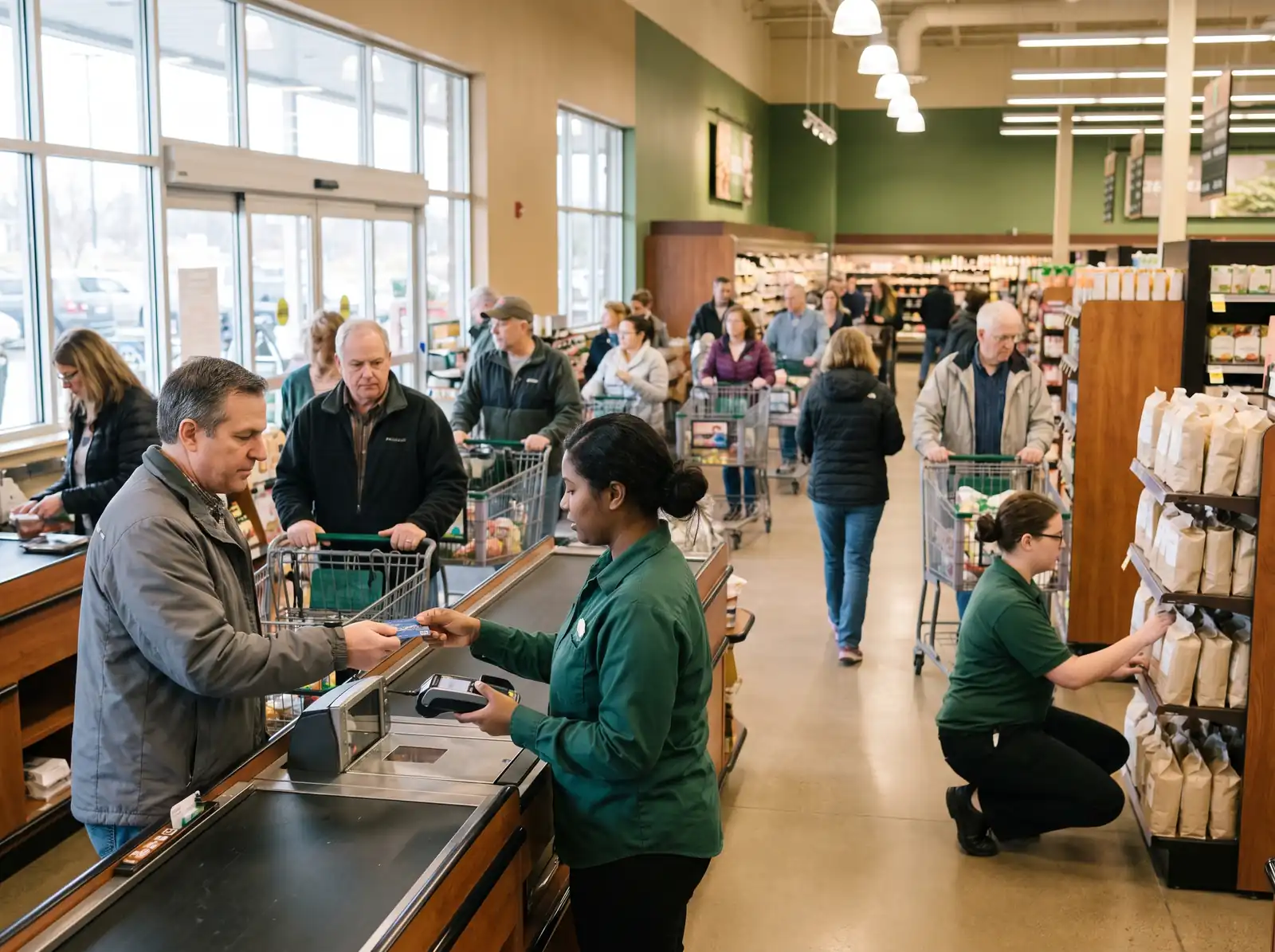
In a chain, a great deal happens at the same time. One store serves the person who just walked in while another location’s kitchen plates a delivery order and the online store takes a purchase from someone who never left home. Every sale, at the counter or on the screen, runs through a POS carrying the card handed over without a second thought, and every new franchise location inherits the same systems, the same passwords and the same name on the storefront. Retail and food service live on that simultaneous flow, and the whole of it runs on technology. That is the foundation Zamak holds up: the operation that has to sell every single day, the protection of the data every customer trusts to your brand, the fast recovery when something goes off script and the compliance the payment industry demands.
The pain on three fronts
When the system goes down, the bill arrives in three places at once
An incident at a chain never stays inside the location where it started. It collects on three fronts, and each one charges its own price.
The sales you lose
The line stalls, delivery goes offline and the sale walks to the nearest competitor. In retail and food service, an hour without selling is revenue that does not come back the next day.
The trust that drains away
The cards and customer records entrusted to your brand can surface where they never should. Explaining a breach to someone who has lunch with you every week is the conversation nobody wants to have.
The improvisation that does not fit the brand
An operation proud of its service standard should not run on an improvised foundation. The care your customer sees at the counter has to exist where they cannot see it too.
The uncomfortable question
A server encrypted, with inventory and backup lost together. How much does each day with the doors closed cost, and how much does starting over from zero cost, if that is even possible?
The honest answer comes down to one thing: whether an isolated, tested copy exists beyond the reach of the attack. That is the kind of certainty you build beforehand, never during.
An X-ray of your chain
Where the sale travels through your operation, and where an attack tries to stop it
In a chain of stores or restaurants, value travels from the counter to the back office: payment, inventory, orders and the brand name above it all. We map the four points that value passes through, because those are the ones an attack looks for first.
The sale at the counter
Every payment at the POS and in your online store carries the card data a customer trusted to your brand.
If it fails: One breach along the payment path turns a day of sales into a list of exposed cards.
The edge of the chain
Every store, kiosk and kitchen is a door into the same house: systems, passwords and networks that need one standard.
If it fails: The intruder walks in through the most exposed location and, through the integration, reaches the entire chain.
The inventory and the orders
Inventory management, delivery and replenishment tie the counter to the distribution center in real time.
If it fails: Orders stop arriving, product spoils in the cold room and shelves go empty before the weekend.
The brand name
Your customers’ records, loyalty programs and purchase history live under your banner.
If it fails: The breach happens at one location, but the headline and the distrust arrive for the whole brand.
Zamak watches those four points end to end, from headquarters to the newest location, so the sale keeps moving and the data stays where it belongs.
What’s at stake
What one incident costs a business that lives on open doors and cards moving through the checkout
The average cost of a data breach in retail. For a business of tight margins and daily turnover, it is a bill no sales season absorbs. Source: IBM, Cost of a Data Breach 2025.
Ransomware is present in 88% of breaches at smaller companies, against 39% at large ones. What changes the outcome is preparation, not size. Source: Verizon DBIR 2025.
Of retailers hit by a ransomware attack, 58% paid the ransom, facing demands that reached a median of $2M. Paying, however, does not bring back the lost trade. Source: Sophos, The State of Ransomware in Retail 2025.
If your chain feels too small to interest a criminal, the numbers say otherwise: size is no longer a shield. From the neighborhood operation to the chain with hundreds of locations, whoever processes cards and holds customer records is a target, and what decides the outcome is being prepared or not.
A day in your operation
The rush builds through the day, and the incident picks the eve of the peak
In a chain, the schedule is unforgiving: the morning delivery, the lunch rush, the evening, the weekend. See where a single incident cuts that sequence, and where Zamak changes the ending.
The truck arrives, inventory enters the system, the team gets the house ready for the day’s trade.
Full dining room, a line at the checkout, delivery running hot. Every order moves through the POS and the kitchen without a pause.
Restocking, reconciliation and the setup for the evening and the weekend ahead.
On the eve of the busy stretch, the server wakes up encrypted. The POS will not open, and neither will the doors.
With Zamak alongside, the ending changes: the threat is contained before it reaches the checkout, the isolated backup restores the systems in minutes and the weekend goes ahead as planned, with a full house and the operation standing.
The turnaround
The problem was never your chain. It was an IT model that only shows up after the loss.
Most chains grow faster than their own technology: every new location gains a system, a password and a workaround, and the reactive IT model waits for something to break before acting. Zamak reverses that logic. We work ahead of the incident, alongside whoever already looks after your technology, so the entire chain runs under a single standard of protection. The path fits in three steps.

The Open Doors Plan
Map the chain
In an initial conversation, we look at the operation as a whole: every location, every POS, every system the sale depends on. You find out where the chain is exposed before someone else finds out for you.
Standardize the protection
We carry the same standard of security, monitoring and backup from headquarters to the last location, watched day and night by a dedicated operations center.
Sell without interruption
The chain runs with the checkout protected, the inventory in place and the brand out of the headlines, and every new location is born inside the standard. This is the destination.
Whoever runs a chain does not need one more vendor to manage; they need a partner who sees the whole operation and answers for it at their side.
For every role in your chain
The same protection, in the language of those who found, those who manage and those who operate
A chain stands because different roles hold different fronts, from the head office to the counter. Zamak has an answer for each of them.
Compliance as trust in every payment
The standard protecting your customer’s card got stricter. Is your chain keeping up?
In retail and food service, compliance has a clear address: the card data that moves through your checkout and your payment page every day. The international PCI-DSS standard gained new requirements, mandatory since March 2025, and the card brands, the acquirer and your e-commerce partners expect your operation to keep pace. Zamak delivers the readiness: it maps your gaps against the standards that weigh on your chain, keeps the evidence collected and prepares the operation for any verification.
PCI-DSS
The international standard for protecting card data. The current version brought new requirements for the payment page and the POS environment, mandatory since March 2025, and it is what separates compliance from a fine.
GDPR and LGPD
The personal data protection laws of the markets your chain serves, the European and the Brazilian among them. Your customers’ records and loyalty data handled with the rigor each market’s law demands.
ISO 27001
The international standard for information security management. For a chain, it is the credential that organizes protection as an ongoing process, not a scramble before each verification.
CIS Controls
A prioritized set of security controls designed to protect a lot with a lean team. It is the realistic path to carrying one standard to every location in the chain.
The compliance remains your chain’s; Zamak does the work of keeping it current and leaves the evidence ready for the acquirer, the auditor or the partner who asks. It begins with a no-cost assessment against the standard that weighs most on your checkout, and continues as an ongoing engagement.
The result day to day
A chain that opens, sells and grows without a silent risk in its foundation
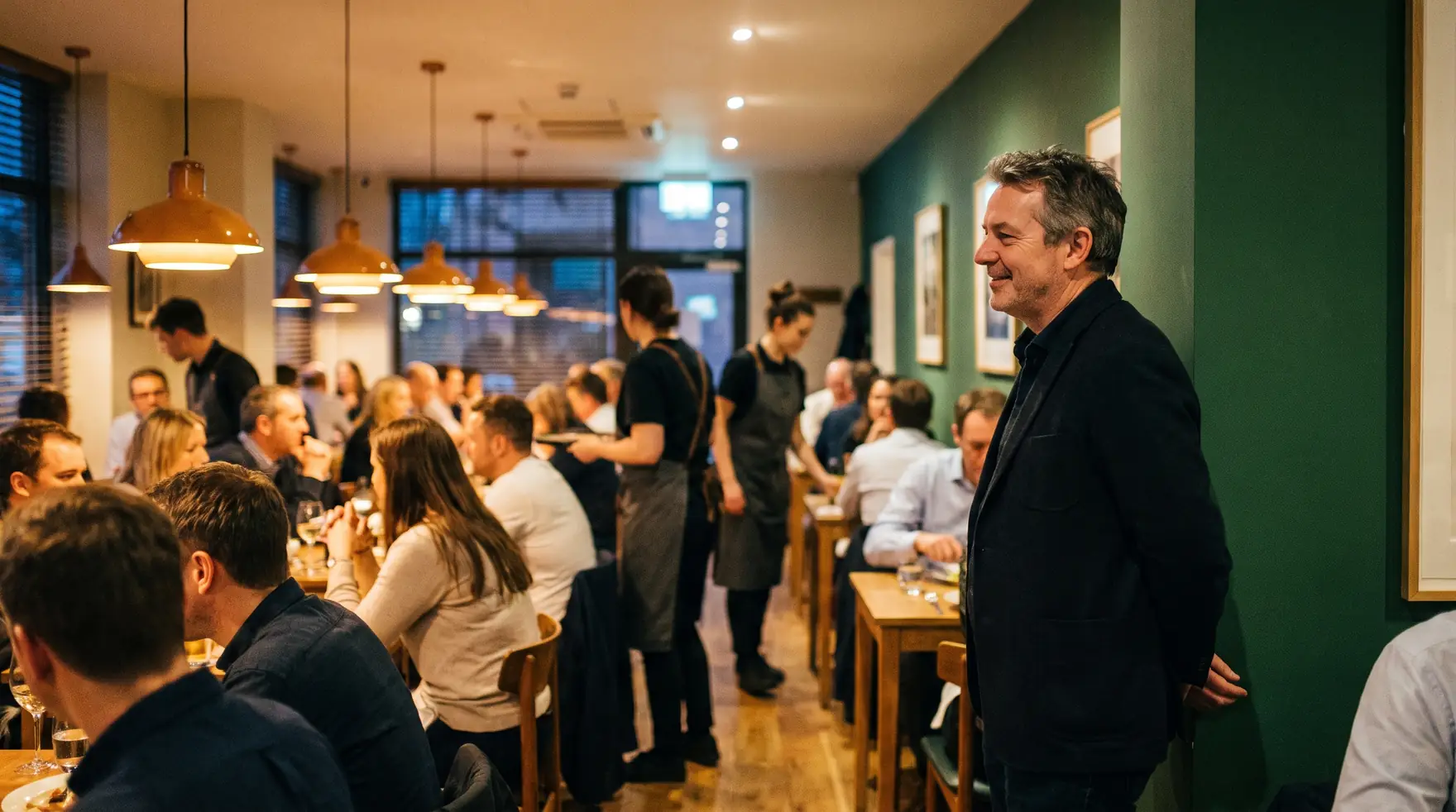
When technology stops being a daily gamble and becomes a watched foundation, the difference shows where the business feels it most: in the trade.
Sales do not stop
POS, inventory and delivery standing through the hours that pay the month, with tested recovery for the day something breaks routine.
The customer’s card stays protected
Payment data and customer records remain encrypted and watched, away from anyone without permission.
The whole chain on one standard
From headquarters to the newest location, the same protection, the same monitoring and the same response, without leaning on each site’s luck.
Expansion is born protected
Every new location enters the standard from day one, and the brand grows without multiplying risk at every address.
Who already trusts us
Restaurant chains that entrusted their technology to Zamak


QDA and Delirio Tropical are among the restaurant chains that entrusted their technology to Zamak Technologies. These are operations that live on serving well every single day, and they chose not to leave the foundation behind their own trade to chance.
Zamak’s credentials
We do not ask you to take our word for it. We show you the credentials.
Zamak Technologies operates on a technology and security foundation that carries the same certifications large chains demand of their own vendors.
Microsoft Solutions Partner
A partnership that attests to Zamak’s competence in Microsoft 365 environments, the base of your team’s work.

Addee Elite Group
Top of the partner program of N-able’s exclusive distributor in Brazil, a reference in data resilience.

Great Place to Work
Certification that Zamak is built by people who stick around, which translates into continuity for those who trust us.

BACCF member
Brazil-Florida Chamber of Commerce, with an operation ready to serve your business across the Americas.
We operate with tools certified in SOC 2 Type II, ISO 27001 and PCI-DSS, the same seals the payment industry expects to find in the chain of anyone processing customer cards.
Before you ask
Cybersecurity and managed IT for retail and restaurants: continuous sales, protected cards and one standard across the chain
Cybersecurity and managed IT for retail and restaurants is the service that keeps a chain’s POS, inventory and delivery in continuous operation, protects customers’ card and account data, runs isolated backup with tested recovery and keeps the evidence ready for the PCI-DSS standard and the acquirer. Zamak Technologies delivers that coverage as a single partner, from operations with a few locations to large chains with their own IT team, across the Americas.
Where to go next
Go deeper on what weighs most for your chain
Before the next rush
Let’s protect the trade your brand stands on
An initial conversation, no strings attached, to map where your chain is exposed, from the checkout to the server, and what to do about it. The next weekend can find your operation better prepared than this one.
Book the first conversation